
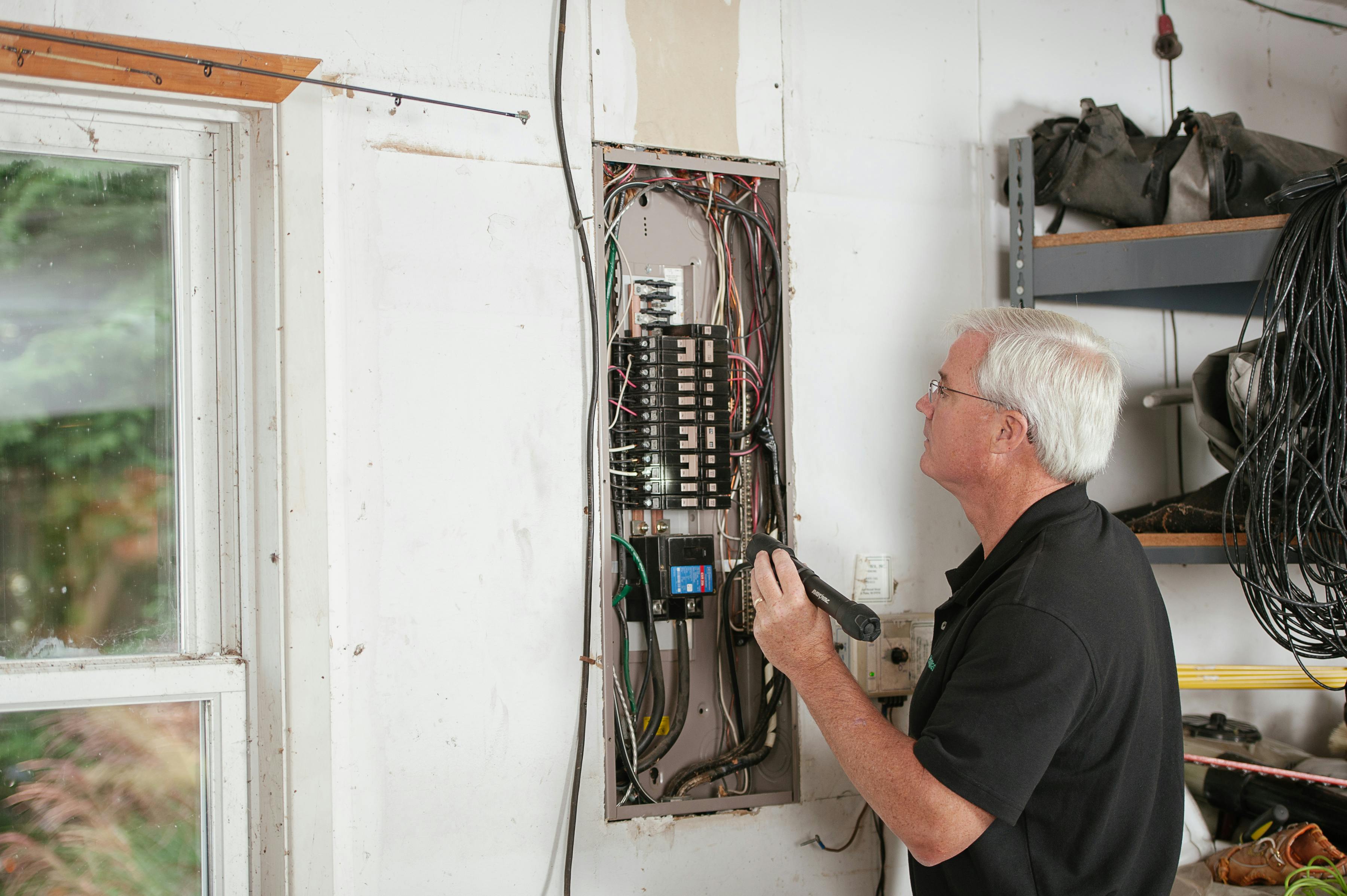
In today’s fast-paced world, the reliability of electrical systems is paramount to the smooth functioning of daily operations. Quality electrical maintenance services play a crucial role in ensuring that electrical systems are both safe and efficient. By prioritizing regular inspection and maintenance, potential issues can be identified early, leading to increased longevity of the equipment and reduced downtime. This article delves into the importance of electrical maintenance and how it can be effectively managed.
Importance of Electrical Maintenance
Electrical maintenance is essential for a variety of reasons. It not only ensures that systems are operating efficiently but also reduces the risk of unexpected failures. Here are some key reasons why electrical maintenance is important:
- Prevention of electrical fires and other hazards.
- Reduction in energy costs through efficient system operation.
- Prolonged lifespan of electrical equipment.
- Minimization of operational interruptions and downtime.
For a more comprehensive understanding of the significance of electrical maintenance, explore further insights here.
Types of Electrical Maintenance Services
Electrical maintenance encompasses a wide range of services, each designed to address specific components of electrical systems. The primary types of maintenance services include:
1. Preventive Maintenance
Preventive maintenance involves routine checks and inspections to ensure that all electrical components are functioning correctly and efficiently. This type of maintenance aims to prevent issues before they occur. It includes:
- Regular inspection of electrical panels and connections.
- Testing of circuit breakers and fuses.
- Assessment of electrical load capacity.
Find additional information here on how preventive maintenance can benefit your operations.
2. Predictive Maintenance
Predictive maintenance uses advanced technology to monitor the condition of electrical systems in real-time. This approach allows for the prediction of potential failures before they happen, enabling timely intervention. Key aspects include:
- Use of sensors and monitoring devices.
- Data analysis to predict equipment failures.
- Timely maintenance interventions based on data insights.
Learn more in this detailed guide about predictive maintenance techniques and their advantages.
Implementing a Successful Maintenance Program
Implementing an effective electrical maintenance program requires a strategic approach. Key steps include:
- Conducting a thorough initial assessment of existing systems.
- Developing a tailored maintenance plan based on the specific needs of the facility.
- Ensuring trained and qualified personnel carry out maintenance tasks.
- Regularly reviewing and updating the maintenance plan as needed.
For insights on creating a robust maintenance strategy, read more about this topic.
Conclusion
Quality electrical maintenance services are integral to the safety, efficiency, and reliability of electrical systems. By investing in regular maintenance, facilities can avoid costly repairs, reduce downtime, and ensure the longevity of their electrical infrastructure. Understanding the various types of maintenance and implementing a comprehensive strategy is crucial for achieving optimal results. For more information on electrical maintenance and strategies, explore further insights here.